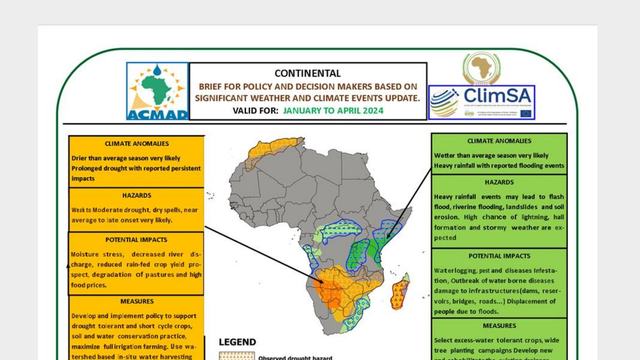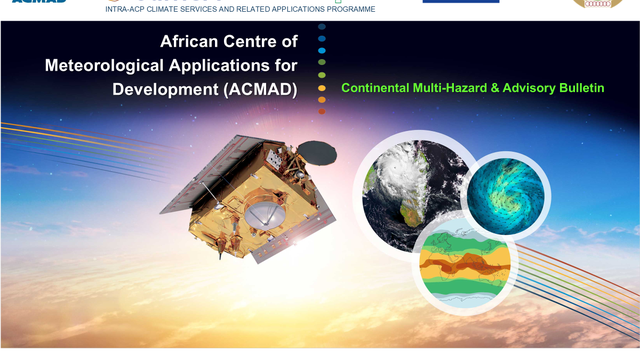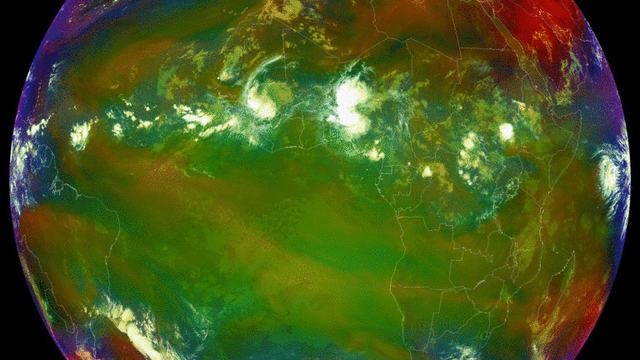
Continental User Interface Platform (CUIP)

Connecting climate knowledge with sector action

CUIP is ACMAD's interface for bringing climate-service producers and users together. It organizes actionable information around agriculture, health, water resources and disaster risk reduction.

Sector services

Climate services for priority sectors

Choose a sector to explore its risks, services, partners, products and supporting resources.

Sector

Agriculture and Food Security

Climate information that supports resilient production, food security planning and agricultural decisions.

Governance framework

Terms of Reference

Aim · risks · services · activities

CUIP brings climate producers and agricultural users together to shape practical services for crop planning, early action and food security.

Key climate risks

  • Floods
  • Drought
  • High and low temperatures
  • Dry spells
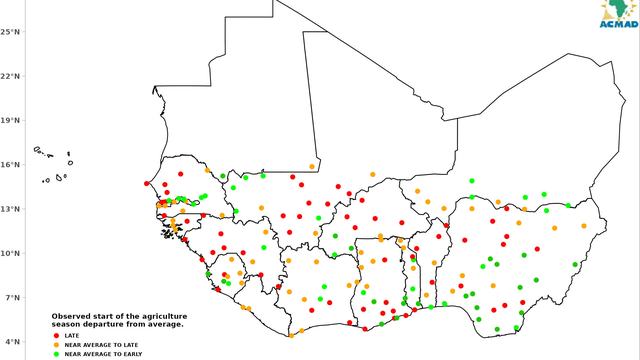
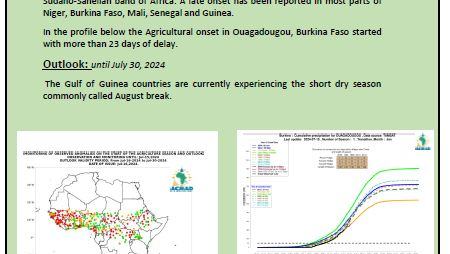
  • Disruption of the start or end of the season
  • Strong winds
  • Thunderstorms
  • Hailstorms

Climate services

  • Rainfall onset and cessation information
  • Dry-spell forecasts before the planting season
  • Impact-based thunderstorm early warnings in clear language
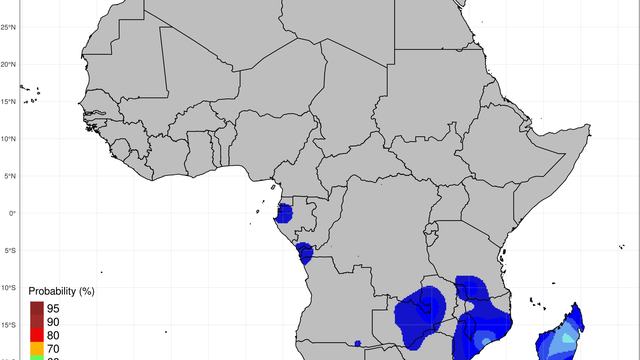
  • Seasonal outlooks and agrometeorological advisories

Activities and outcomes

  • Analyse agricultural commodity value chains and share climate advice
  • Assess climate risk along each commodity value chain
  • Prepare advice for farmers, herders and fishers
  • Estimate production and warehouse requirements
  • Estimate commodity supply and demand
  • Support commodity conservation and market-price management
  • Update, tailor and share climate information among stakeholders

Participating institutions

  • ACMAD
  • Pan African Farmers' Organization (PAFO)
  • AGRHYMET
  • PROPAC
  • CILSS
  • FAO
  • ICPAC
  • SADC Climate Services Centre
  • WFP
  • FEWS NET
  • Agricultural research and producer organisations

Related ACMAD products

Explore all products

Sector

Health

Impact-based climate information for meningitis, heat, air quality and other climate-sensitive health risks.

Governance framework

Terms of Reference

Aim · risks · services · activities

The health sector service translates meteorological and environmental information into warnings and decision support for public-health partners.

Key climate risks

  • Floods and drought
  • Heat waves and cold waves
  • Dust and haze episodes
  • Air pollution
  • Humidity-related health risks

Climate services

  • Clear forecasts on daily, weekly, monthly and seasonal timescales
  • Dust and particulate-matter concentration information
  • Onset, cessation and duration of climate thresholds
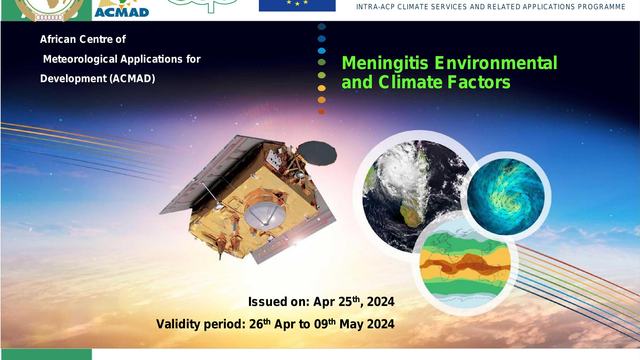
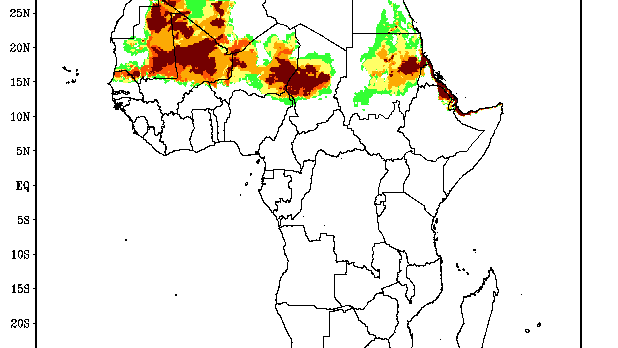
  • Meningitis and malaria watches, warnings and alerts
  • Historical reviews and projections of climate-health relationships
  • Seasonal precipitation, humidity and temperature forecasts
  • Risk assessments for climate-sensitive diseases

Activities and outcomes

  • Analyse health value chains and share climate information for epidemic surveillance and control
  • Conduct climate-risk assessments for the health sector
  • Prepare advice for disease surveillance and control
  • Train and exchange knowledge between climate-service providers and health experts
  • Develop and update integrated climate and health information systems
  • Tailor and share climate and health data among stakeholders

Participating institutions

  • World Meteorological Organization
  • Regional Climate-Health Network
  • ACMAD
  • OCEAC
  • West African Health Organisation
  • Africa Centres for Disease Control and Prevention
  • AGRHYMET
  • ICPAC
  • SADC Climate Services Centre

Rules of procedure

  • Chair elected from the ClimHealth Network
  • Secretariat provided by ACMAD
  • Meetings twice a year, with ad hoc meetings when required

Platform composition

  • WMO
  • Regional Climate-Health Network
  • ACMAD
  • OCEAC
  • West African Health Organisation
  • Africa CDC
  • AGRHYMET
  • ICPAC
  • SADC Climate Services Centre

Related ACMAD products

Explore all products

Sector

Water Resources

Climate monitoring and outlooks that support water-resource planning, preparedness and cooperation.

Governance framework

Terms of Reference

Aim · risks · services · activities

CUIP connects climate and water institutions so rainfall monitoring and forecast information can inform water management across timescales.

Key climate risks

  • Heavy rainfall and flooding
  • Drought
  • High temperatures

Climate services

  • Flood, drought and high-temperature watches, warnings and alerts
  • Seasonal precipitation and temperature forecasts
  • Climate-risk assessments for water basins

Activities and outcomes

  • Assess surface-water and groundwater availability
  • Conduct climate-risk assessments for the water sector
  • Provide flood and drought warnings
  • Prepare water-level advice for dams, lakes and rivers
  • Train and exchange knowledge between climate-service providers and water experts
  • Develop integrated climate and water information systems
  • Tailor and share climate and water data among stakeholders

Participating institutions

  • African Union Commission
  • African Ministers' Council on Water
  • Regional economic communities
  • WMO
  • WHO
  • ACMAD
  • UNESCO
  • FAO
  • African river-basin organisations and water networks

Related ACMAD products

Explore all products

Sector

Disaster Risk Reduction

Multi-hazard climate services for anticipatory action, preparedness and disaster-risk management.

Governance framework

Terms of Reference

Aim · risks · services · activities

The disaster-risk-reduction service strengthens knowledge brokering, harmonized warnings and the operational use of forecasts before high-impact events.

Key climate risks

  • Floods
  • Drought
  • Heat waves
  • Dry spells
  • Strong winds and storms
  • Disruption of the start or end of the season

Climate services

  • Downscaled high-resolution forecasts and scenarios
  • Sector-specific advisories
  • Verified forecasts with uncertainty information
  • Simplified products in accessible languages
  • Advanced tailored products and real-time dissemination

Activities and outcomes

  • Conduct risk assessments
  • Raise awareness of hazards, risks and mitigation measures
  • Establish multi-hazard early-warning systems
  • Update emergency preparedness and response measures
  • Provide meteorological support for post-disaster needs assessments
  • Support early response and rehabilitation
  • Train DRR experts to interpret and use climate services

Participating institutions

  • African Union Commission
  • Regional economic communities
  • WMO
  • WHO
  • UNDRR
  • OCHA
  • IFRC
  • IOM
  • WFP
  • ASECNA
  • National disaster-management and meteorological agencies
  • Humanitarian and civil-protection partners

Related ACMAD products

Explore all products